
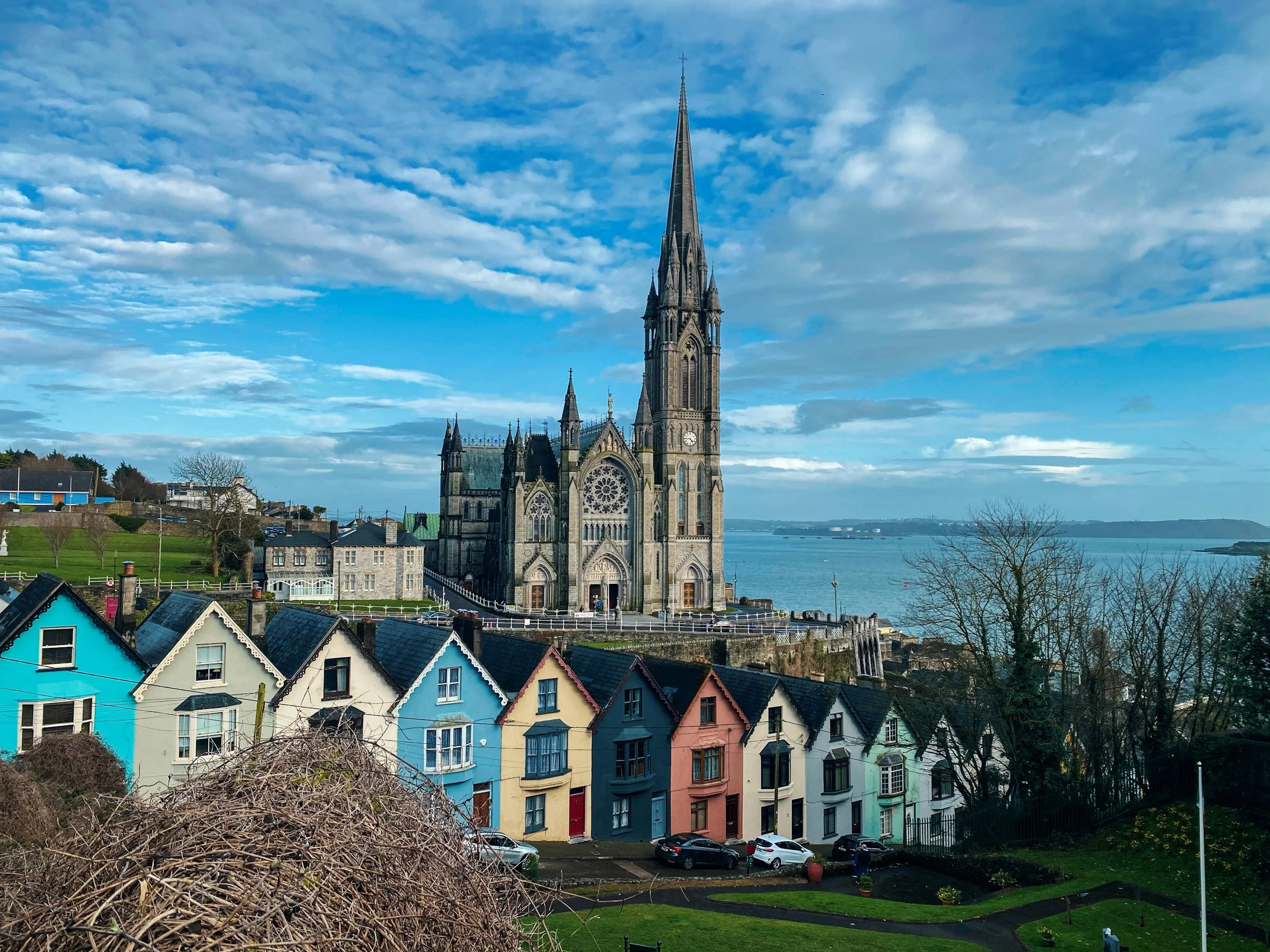
Ireland
Ireland: English-Speaking European Living Outside Schengen
Ireland combines historic cities, spectacular Atlantic coastline, beautiful countryside and an English-speaking environment while remaining outside the Schengen Area. Although Ireland is a member of the European Union, it maintains its own border and immigration system, making it particularly interesting for travelers who want to remain in Europe while spending time outside their Schengen allowance.
Quick Visa Snapshot
🇺🇸 U.S. Citizens: Up to 90 days as a visitor; no visa normally required
🇨🇦 Canadian Citizens: Up to 90 days as a visitor; no visa normally required
🇬🇧 UK Citizens: No normal visitor restriction under the Common Travel Area
🇦🇺 Australian Citizens: Up to 90 days as a visitor; no visa normally required
Schengen Status: ❌ Not part of the Schengen Area
Why it works for a 90 Day Bounce: Ireland operates its own immigration system separately from Schengen. Time legally spent in Ireland does not use your Schengen 90/180-day allowance.
For non-UK visitors, the immigration officer determines the actual period granted at the border, up to a maximum of 90 days.
Why Ireland?
Ireland is one of the easiest non-Schengen destinations for English-speaking travelers who want to remain in Europe without navigating a significant language barrier.
Outside Schengen but Inside the EU — Ireland provides the conveniences of an EU country while maintaining its own separate immigration system.
English-Speaking — For American, Canadian, British and Australian travelers, everyday life requires virtually no adjustment to a new language.
Spectacular Scenery — Atlantic coastline, green countryside, mountains, lakes and picturesque villages provide endless opportunities for exploration.
History & Culture — Castles, monasteries, ancient archaeological sites, traditional pubs, music and historic towns provide a strong cultural identity.
Easy Connections — Ireland has extensive air connections with continental Europe, the United Kingdom and North America.
Best Places to Base Yourself
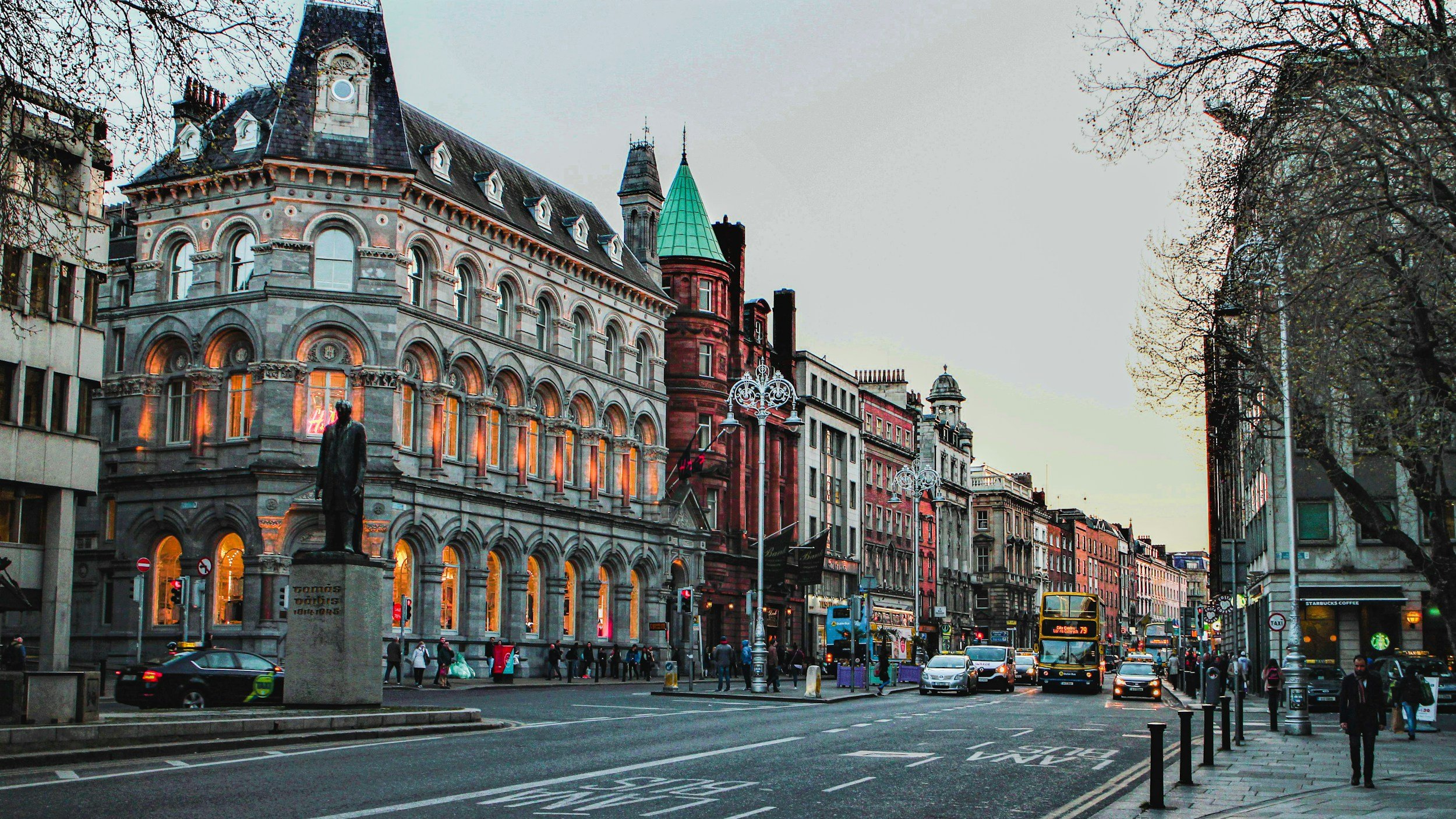
Dublin
Best for big-city conveniences, transportation and international connections. Ireland's capital offers restaurants, museums, nightlife, shopping and the country's largest airport. Its major drawback for a longer stay is the high cost of accommodation.
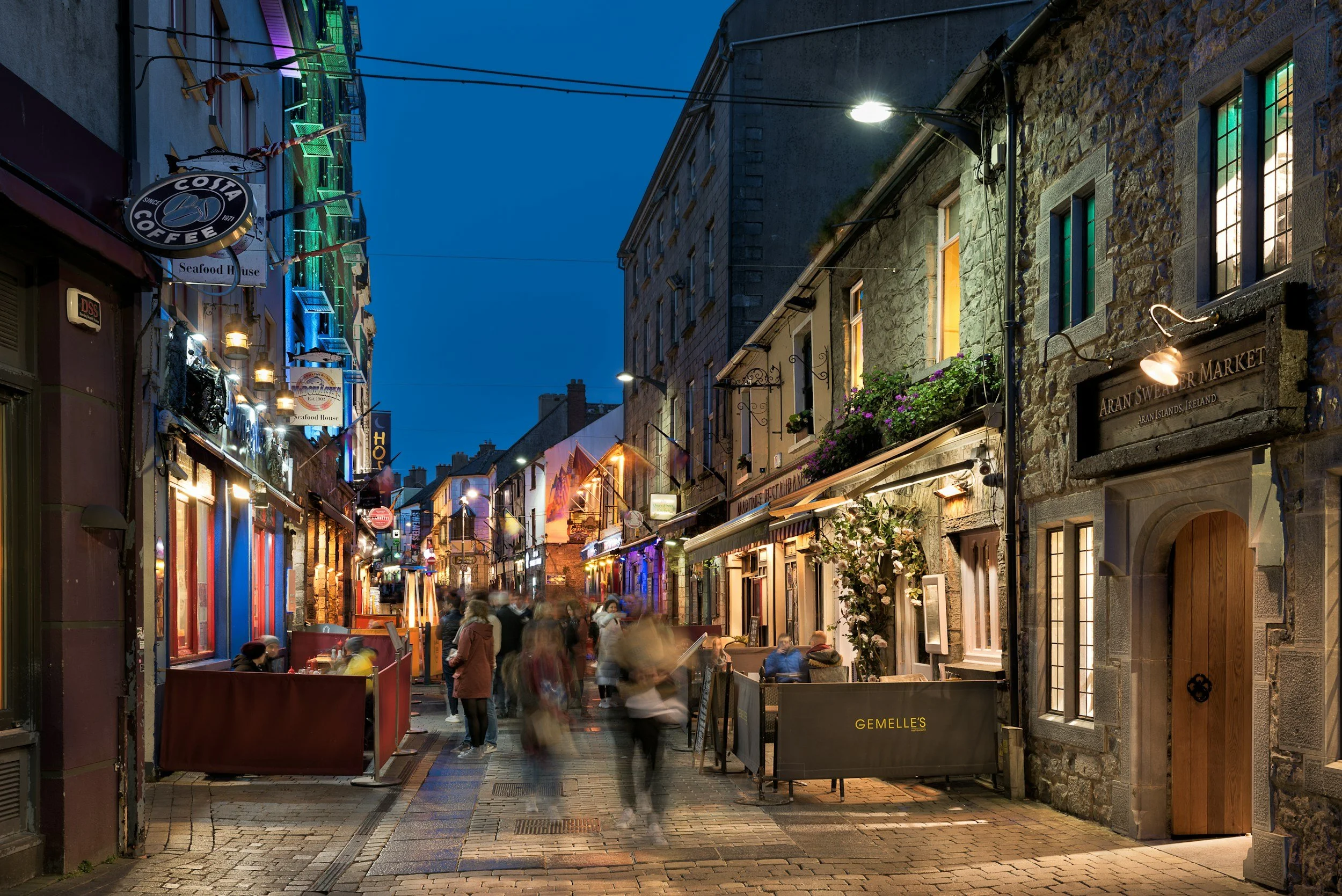
Galway
Best for culture, music and exploring western Ireland. Galway offers a lively pedestrian center, restaurants, traditional pubs and convenient access to Connemara, the Aran Islands and the Wild Atlantic Way.
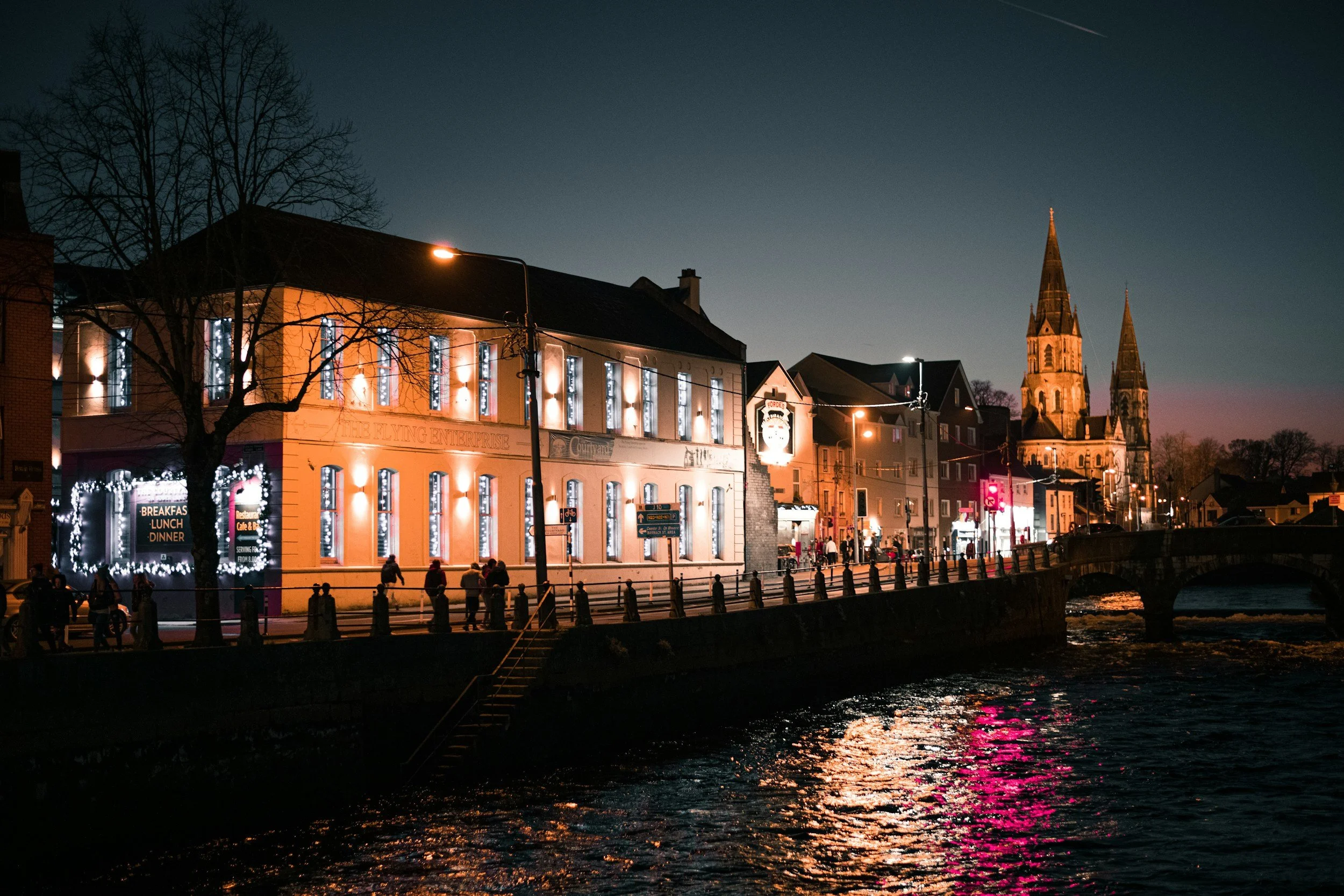
Cork
Best for city conveniences with easier access to southern Ireland. Cork offers restaurants, markets, shopping and a lively cultural scene while providing an excellent base for exploring the surrounding coastline and countryside.
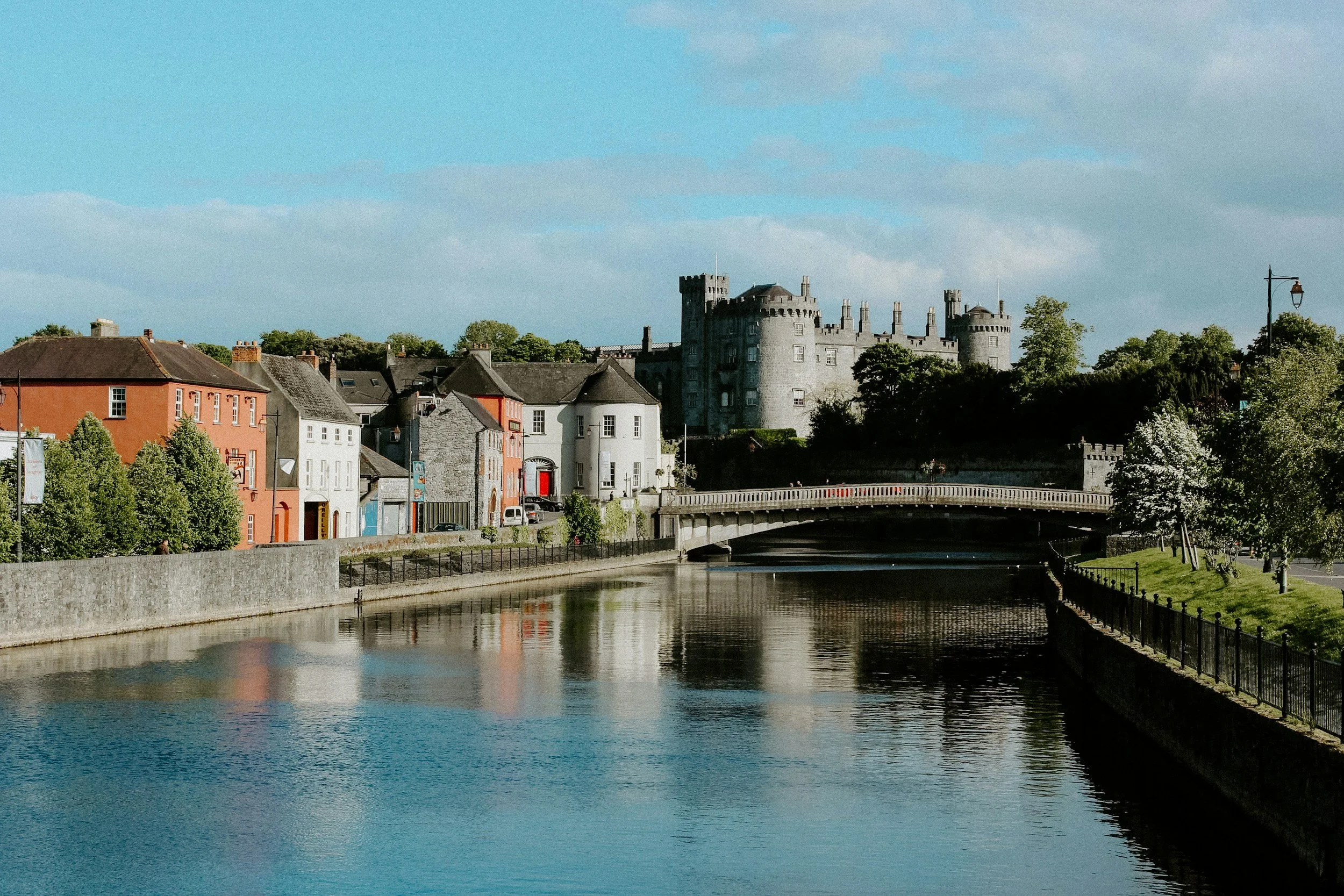
Kilkenny
Best for historic atmosphere and a smaller-city lifestyle. Kilkenny combines medieval architecture, restaurants, pubs and a walkable center while remaining relatively accessible to Dublin.
90 Day Bounce Pro Tip: Don't automatically spend all 90 days in Dublin. Ireland's capital is convenient but expensive. Combining a shorter Dublin stay with Galway, Cork, Kilkenny or another regional base can provide a much broader Irish experience while helping control accommodation costs.
What Will 90 Days Cost?
Ireland is one of the more expensive destinations featured on 90 Day Bounce, with accommodation likely to be the biggest challenge. Dublin can be particularly expensive, while regional cities and smaller communities may provide better value.
Accommodation: €1,300–€2,800/month
Food & Groceries: €450–€750/month
Local Transportation: €100–€250/month
Dining & Entertainment: €300–€700/month
Phone & Internet: €30–€60/month
Estimated 90-Day Budget
Budget Traveler: €5,500–€7,000
Comfortable Stay: €7,500–€10,000
Higher-End Stay: €12,000+
90 Day Bounce Pro Tip: Accommodation can make or break an Irish 90-day budget. Look beyond central Dublin and compare monthly rentals in regional cities and smaller communities. Ireland becomes considerably more practical when you aren't paying central-Dublin short-term rental prices.
Getting There & Getting Around
Ireland is extremely well connected internationally and relatively easy to reach from most major European cities.
By Air — Dublin is Ireland's largest international gateway, while Cork and Shannon provide additional international connections. Several smaller airports serve regional destinations.
By Ferry — Passenger and vehicle ferries connect Ireland with Great Britain and continental Europe, making Ireland particularly practical for travelers with a car.
By Car — Renting or bringing a car provides the greatest flexibility for exploring Ireland's countryside and Atlantic coastline. Remember that Ireland drives on the left.
By Train — Ireland's rail network connects Dublin with major cities including Cork, Galway, Limerick and others.
By Bus — Intercity coaches and regional buses provide extensive connections and can make it possible to travel without a car.
Practical Information for a Longer Stay
Healthcare — Ireland has public and private healthcare services, hospitals, clinics and pharmacies. Visitors should carry appropriate travel or international health insurance.
Money — Ireland uses the euro (€), making it especially convenient when arriving from another Eurozone country.
Mobile & Internet — Mobile service, SIM cards and broadband internet are widely available throughout populated areas.
Language — Irish and English are Ireland's official languages. English is the predominant everyday language throughout most of the country.
Everyday Living — Irish cities and towns provide supermarkets, pharmacies, gyms, cafés, restaurants, shopping and virtually everything required for an extended stay.
Safety — Ireland is generally straightforward for international travelers, but normal travel precautions apply. Check current government travel information before departure.
90 Day Bounce Pro Tip: For a full three-month stay, choose your location based on everyday life rather than sightseeing alone. A beautiful remote cottage may sound perfect until you realize you need to drive for groceries, restaurants and basic services.
How Ireland Fits Into Your 90-Day Bounce
Ireland provides a particularly convenient way to remain within the European Union while moving completely outside the Schengen short-stay system.
Example Rotation
Days 1–90: Italy, France, Spain or other Schengen countries
Days 91–180: Ireland
Day 181 onward: Potential return to the Schengen Area, depending on your individual Schengen travel history and available days.
Important: Ireland's visitor permission and the Schengen 90/180-day calculation are completely separate. Spending 90 days in Ireland does not automatically reset your Schengen allowance.
Important: The Schengen rule is based on a rolling 180-day period. Simply spending 90 days outside Schengen does not automatically guarantee that you have another full 90 days available. Your exact entry and exit dates matter.
90 Day Bounce Pro Tip: Also remember that permission to remain in Ireland as a visitor is granted at the border and can be for up to 90 days; travelers should check the permission actually granted to them.
Official Visa Information
Visa and entry requirements can change. Always confirm current requirements with official government sources before making travel plans.
Last Verified: August 2026
Important: 90 Day Bounce provides travel-planning information and does not provide legal or immigration advice. Entry decisions are ultimately made by the relevant border and immigration authorities.